
5G and a Greener Future: Opportunities and Challenges
The rollout of 5G networks promises lightning-fast speeds and unprecedented connectivity, but raises a critical question: can 5G advance environmental sustainability?
The Promise of 5G for Energy Optimisation
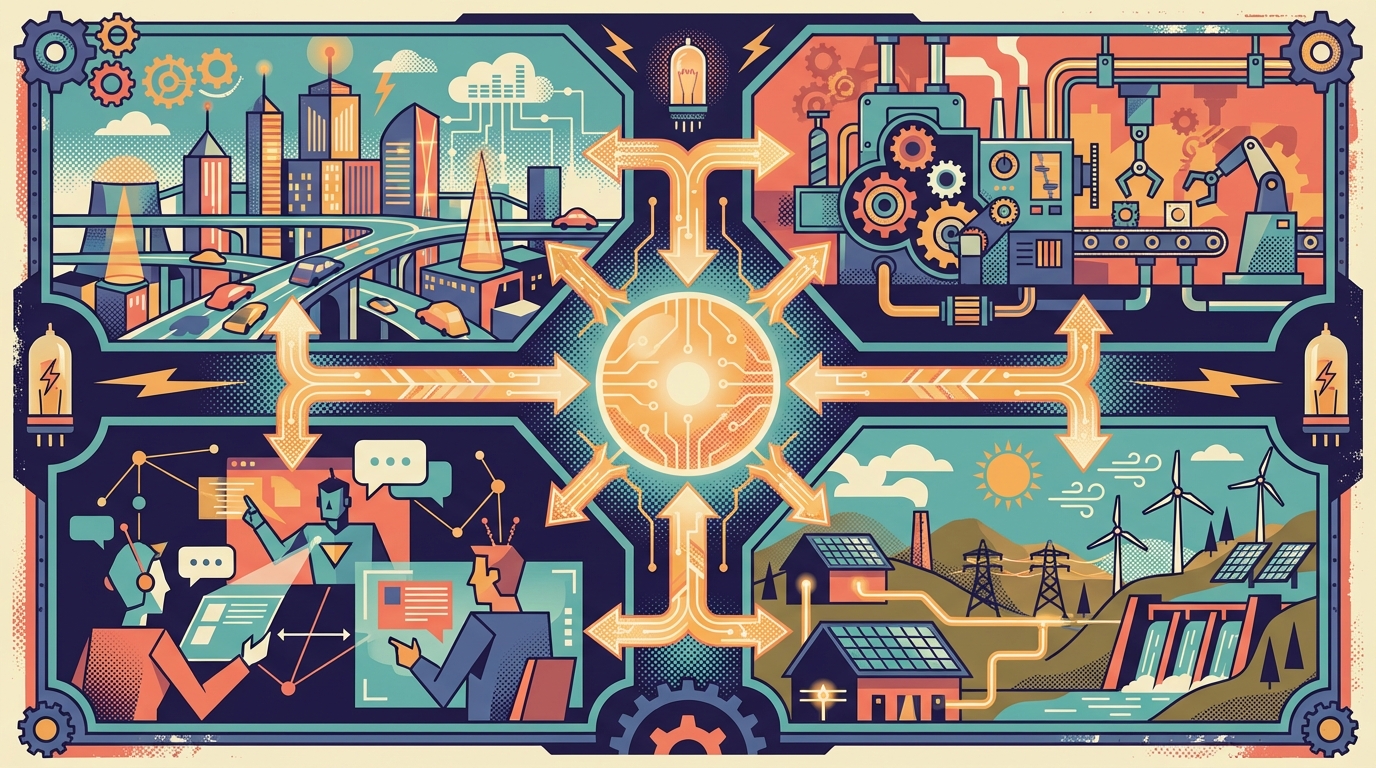
- Smart Cities and Efficient Systems: High bandwidth and low latency support IoT devices optimizing traffic flow, smart grids, and building management systems
- Precision Industries: Real-time data analytics in manufacturing and agriculture reduce waste and optimize energy consumption
- Remote Work and Virtualisation: Widespread 5G adoption enables massive-scale virtual collaboration, reducing commuting and business travel emissions
- Renewable Energy Integration: Reliable, low-latency connectivity improves management of distributed renewable energy sources
The Challenge: 5G's Energy Demands
- Increased Network Density: Denser networks of smaller cell sites require higher overall power demand
- Power-Hungry Equipment: Cumulative energy consumption from numerous base stations is substantial
- The Data Deluge: 5G's speed encourages greater data usage, driving increased traffic through energy-intensive data centres
Strategies for Sustainable Balance
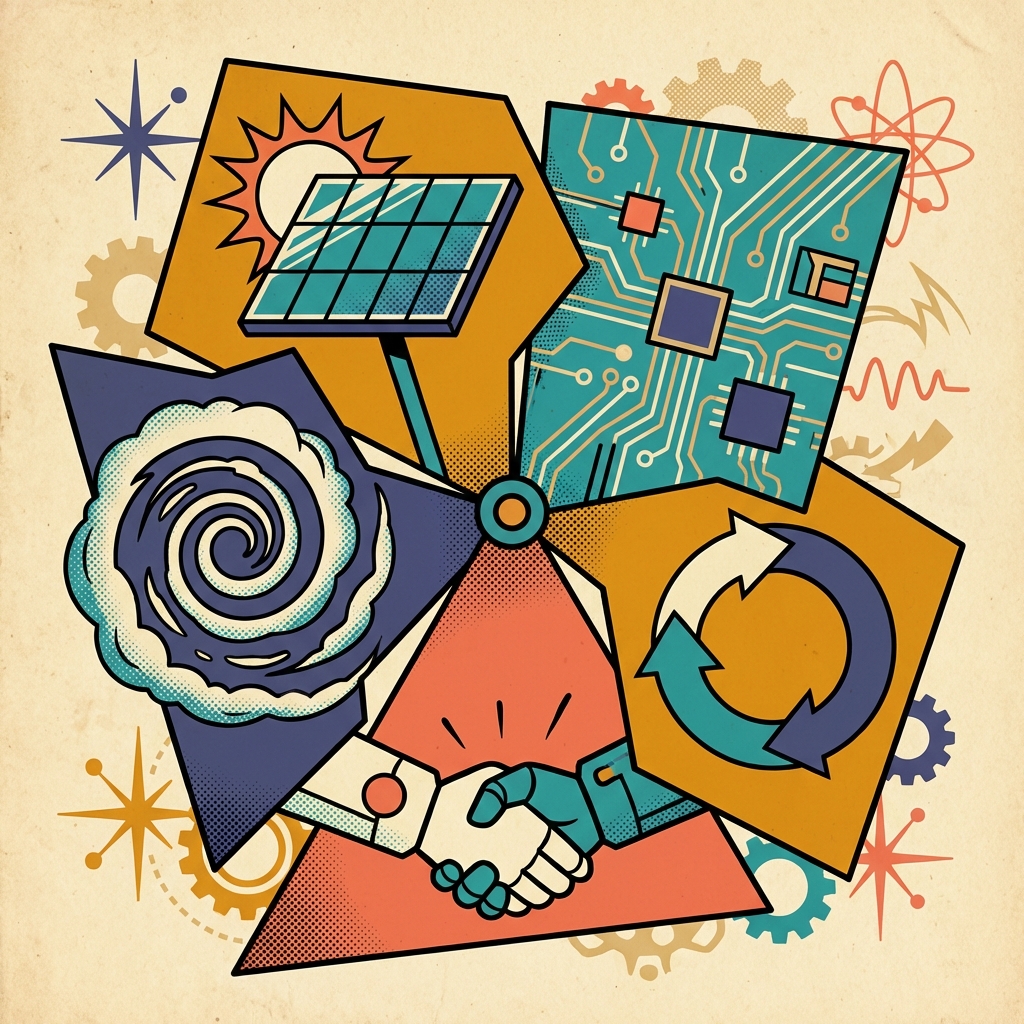
- Renewable Energy Investment: Telecom companies adopt solar, wind, and other renewable sources for 5G infrastructure
- Energy-Efficient Hardware: Research focuses on minimizing base station and equipment power consumption
- Software Innovations: Network virtualization and AI-powered algorithms dynamically adjust usage to demand
- Circular Economy Approach: Prioritizing reparability, upgradability, and responsible recycling
- Collaborative Efforts: Industry-wide partnerships advance holistic sustainability strategies
Conclusion
5G's environmental trajectory depends on continuous innovation and industry commitment. Responsible deployment, renewable energy investment, and technological refinement can position 5G as a tool for both connectivity and sustainability.